
"coffee size grades"
5000 article(s) found

What is the best coffee in Kenya? a brief introduction to the flavor characteristics of hand-brewed coffee
Professional coffee knowledge exchange more coffee bean information please follow the coffee workshop (Wechat official account cafe_style) front street-Kenya coffee, brewing parameters sharing Kenya is an important force in the East African region of the coffee world, both in terms of its coffee quality and its business strategy. The excellent coffee produced here has a clear, bright and rising flavor throughout the tongue.

On the grading of raw coffee beans
The last step in the processing of raw coffee beans is grading, so what are the grading methods of raw coffee beans? Do different countries adopt the same approach? At present, there are three main rating criteria for raw coffee beans, and different countries adopt different rating methods according to their own production conditions and national conditions (not all coffee producing countries adopt the same method).
Identification of coffee beans the characteristics of soybeans and adzuki beans
Coffee beans are not necessarily good beans if they are big, but small ones must be bad beans. The size of beans has little to do with the taste of coffee. However, the advantage of appearance is more advantageous when trading, and the size of beans is indeed a standard of grade. For example, in most countries such as Colombia, Brazil, Tanzania and so on, the size of beans determines the size of beans.

What is the grading of coffee beans? how is the coffee grade pyramid divided?
Professional coffee knowledge exchange more coffee bean information please follow the coffee workshop (Wechat official account cafe_style) the latest coffee raw bean knowledge collation: coffee bean classification and naming rules what is the classification of coffee beans usually when we look at individual coffee, we often see a long name with one or two abbreviations, such as PB, AA, G1, etc.
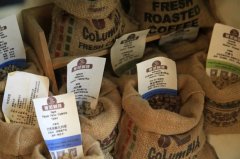
What are the grades of coffee beans? national standard coffee bean rating standard
Explore the coffee classification system! Teach you to read the label on a coffee bag when we go to a coffee shop to buy a cup of coffee or coffee beans, we always see a series of words, which are interspersed with several initials, such as AA, G1, SHG, etc., which actually means that each country classifies coffee according to its characteristics. It is worth noting that in different producing countries, there will be different habits.

Kenyan Coffee quality affected by International Coffee Market Coffee prices in Kenya fell by 12%
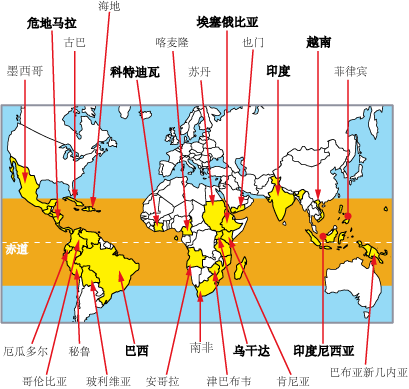
Professional coffee knowledge exchange more coffee bean information Please follow the coffee workshop (Wechat official account cafe_style) follow the principle that to trace a type of coffee starts from its origin, then learn about Kenya first. As pictured above, Kenya is located in eastern Africa, the equator runs through its central region, and the East African Rift Valley runs from north to south. Somalia to the east and Tanzania to the south
Basic knowledge of fine coffee grading of raw coffee beans
At present, there are three main rating criteria for raw coffee beans, and different countries adopt different rating methods according to their own production conditions and national conditions (not all coffee producing countries adopt the same method). Let's introduce these three popular rating methods. One: the reason for the emergence of such a classification standard according to the altitude of the coffee producing area is mainly because of the high level.

Coffee bean producing countries have a strict grading system, what are the specific standards?
Professional coffee knowledge exchange more coffee bean information please follow the coffee workshop (Wechat official account cafe_style) Brazil classification system also includes the size of beans

Classification of coffee beans what is the quality grade of coffee beans
Professional coffee knowledge exchange more coffee bean information Please follow the coffee workshop (Wechat official account cafe_style) what is the classification of coffee beans usually when we look at individual coffee, we often see long names sandwiched with one or two acronyms, such as PB, AA, G1, etc., which actually represent the grade given to coffee beans by the producing country. On this earth, there is no

Fine coffee beans, common sense, size, specification and grade of coffee beans
A, coffee can be divided into washing type and non-washing type according to specifications, and can also be divided into flat beans and round beans. Washing type: in the sink, after rubbing with water and utensils, the pulp and colloid are removed and dried, which is called washing coffee bean with uniform quality. Non-washing type: after the sun is naturally dried, the pulp and peel is removed by a sheller, and its quality is unstable. The fruit of coffee is made up of two oval shapes
Coffee Common sense Coffee grading system summarizes the selection of classification methods in various countries to determine the altitude of coffee origin
First of all, we should know clearly that the factors that ultimately determine the flavor of coffee come from the environment of its producing area, the way of treatment and the quality of raw beans. I believe that without better raw beans, no matter how good the roaster will not bake amazing coffee. Of course, when good coffee beans are in the hands of baristas, baristas should fully understand their characteristics and then add icing on the cake.
Classification and classification of coffee beans
Coffee beans are graded first by size and then by density. With two exceptions, all coffee beans have a considerable size and the same proportion, with flat on one side and semi-oval on the other. The special cases are pea-shaped coffee beans that tend to be more oval in shape and giant coffee beans with large particles (that is, Marragol peel coffee beans). The prices of these two kinds of coffee beans are always higher.
The concept of Fine Coffee Specialty Coffee (1)
The traditional classification of coffee beans is usually based on the classification criteria defined by the coffee producing countries, and then agreed to become common in the international market and traded under such a tacit understanding. For a long time, coffee producing countries have their own classification and evaluation criteria for coffee, which serve as the pricing guidelines in the coffee market. But slowly in recent years, coffee consuming countries have begun to demand unified evaluation criteria.

Read the article and feel the coffee trip in Uganda. Uganda coffee brands have the best AA grade.
Professional coffee knowledge exchange more coffee bean information please follow the coffee workshop (Wechat official account cafe_style) front street-Uganda coffee introduction opens the global coffee production area map, today the official account will take you to the interior of Africa in Uganda, a taste of its northeast Elgon mountains of quality coffee, compared to we are familiar with Ethiopia, Ugandan coffee is
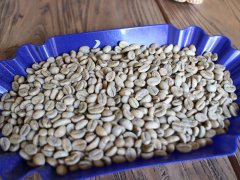
The grading of coffee is an important indicator rather than the only one.
Grading is an important indicator rather than the only indicator: there are thousands of substances in coffee beans, and people's preferences and feelings are different, grading can not show 100% of the flavor of coffee, to find good coffee, testing is the best way. The method of grading: generally speaking, a producing country uses only one method. There are the following: according to the size of coffee beans (Bean size)

How are raw coffee beans graded? the grading method of raw coffee beans in various countries
For the exchange of professional baristas, please pay attention to the rating methods of raw coffee beans in the coffee workshop (Wechat official account cafe_style). There are three main rating criteria for raw coffee beans, and different countries adopt different rating methods according to their own production conditions and national conditions (not all coffee producing countries adopt the same method). One: the reason for this is classified according to the altitude of the coffee producing area.
[literacy] have you made a clear distinction between the coffee bean grading criteria? (above)
There are different ways to manage the origin of coffee beans, some are composed of large and small farmers, some are dominated by professional business owners, even if the coffee in the same place, its quality and flavor are also different, in order to mark the quality of coffee, but also in order to make the transaction more convenient, so there is coffee grading. Coffee beans are processed differently in different countries, so they are produced.

The standard of boutique coffee defines how to grade the boutique coffee. How many points do the cups need to reach?
Professional coffee knowledge exchange more coffee bean information Please pay attention to the coffee workshop (Wechat official account cafe_style) what is the classification of coffee beans usually when we look at individual coffee, we often see a long name sandwiched with one or two acronyms, such as PB, AA, G1 and so on, which actually represent the grade given by the producing country. On this earth, there is no

A brief introduction to the producing area of Jamaica Blue Mountain Grade 1 Coffee and the grading of raw beans and raw beans in Jamaica Blue Mountain Garden
Jamaica Blue Mountain Mavis bank Grade 1 raw beans. Because of its superior geographical and climatic conditions, Blue Mountain Coffee is superior to others in taste and aroma. The unique flavor of Jamaica Blue Mountain Mavis bank Grade 1 raw bean Blue Mountain Coffee is related to the geographical location and climatic conditions of the Blue Mountain. Generally speaking, south of the Tropic of Cancer and north of the Tropic of Cancer, this area
Brazilian coffee bean producing area, Brazilian coffee bean grade
Following Cafe Review (official Wechat account vdailycom) found that Brazilian Coffee, which opened a small shop in Fairview Cafe, had a low sour taste, matched with the sweet and bitter taste of coffee, and had a slight grassy aroma, with a slightly bitter taste in the fragrance, smooth taste and pleasant aftertaste. There are no outstanding advantages for Brazilian coffee.